Know yourself.
Notice how you feel, understand what matters and build the confidence to take a useful next step.
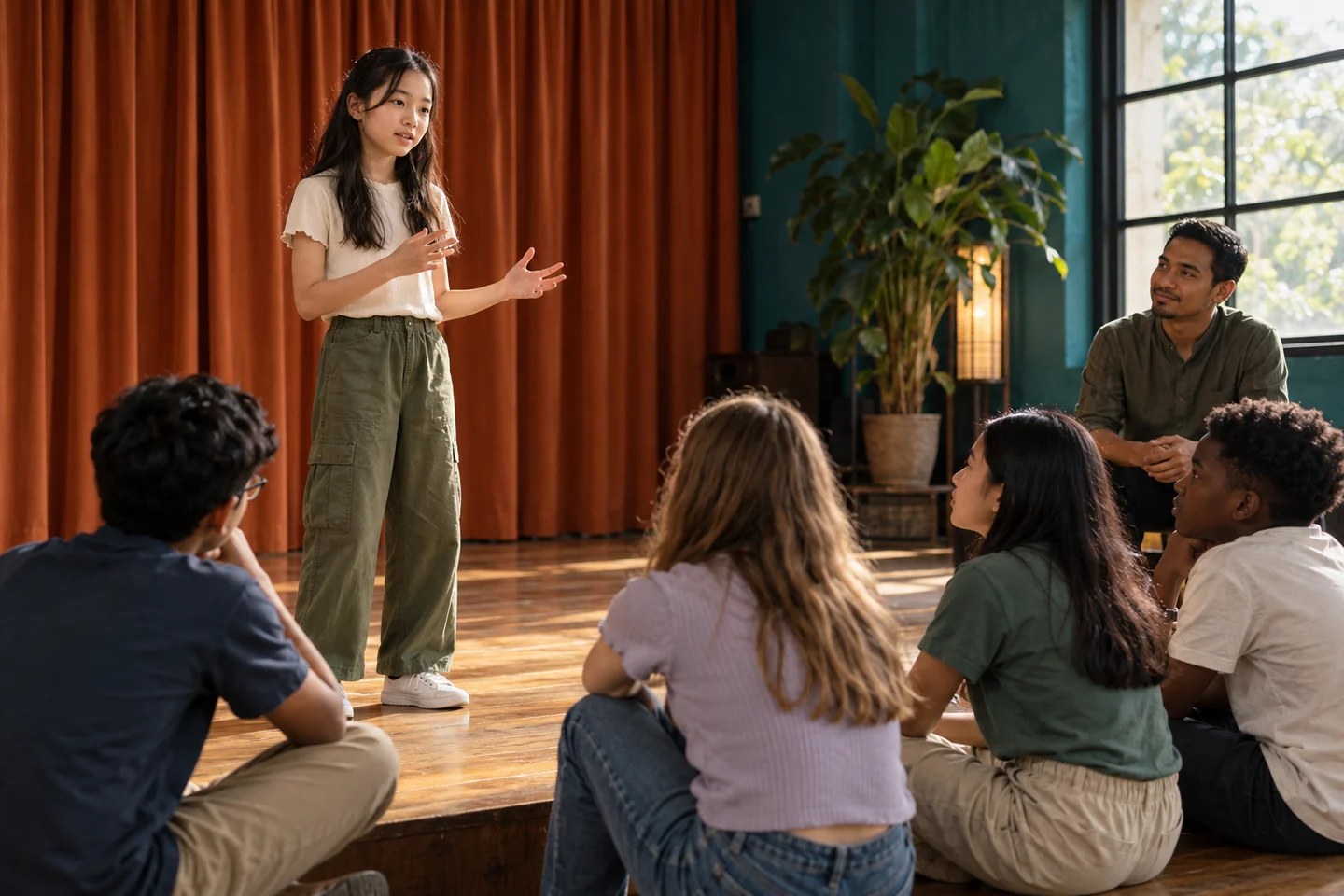
Our story and the belief behind Figured: human and practical skills deserve a deliberate place in education. Helping young people grow in confidence, judgement and independence.
Read our story
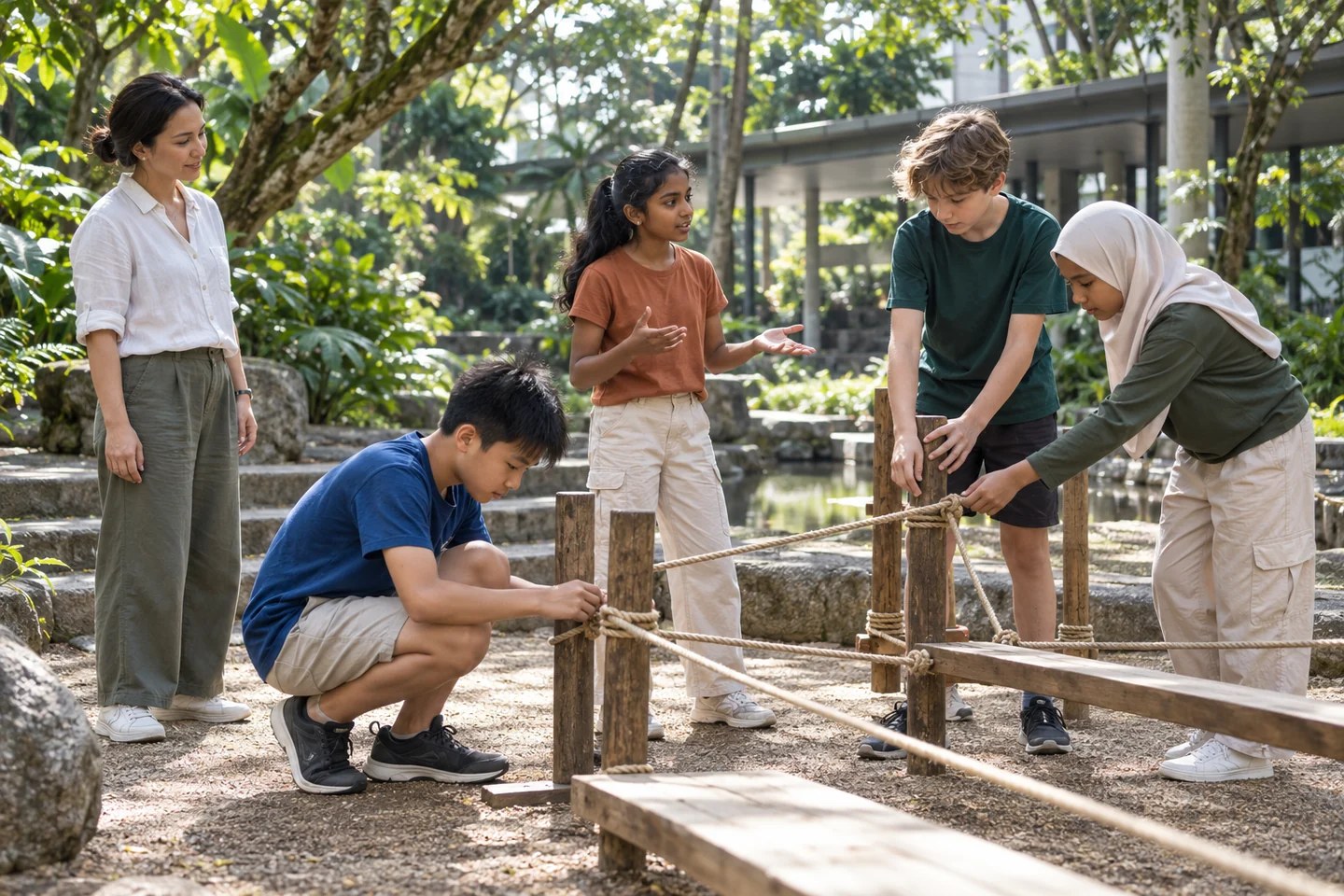
How do I speak up? Handle a setback? Build a friendship? Make a sound decision? Turn an idea into something real?
These are not side questions. They shape how we live. Figured creates purposeful learning around them, alongside the education young people receive at school and at home.
Our vision spans communication, emotional understanding, relationships, leadership, judgement, money, enterprise and practical independence. The learning is active, connected to everyday life and designed for each stage of growing up.
Explore the learningThree ideas connect the learning.
At every age. In every setting.
Notice how you feel, understand what matters and build the confidence to take a useful next step.
Find your voice, hear another perspective and learn to do something worthwhile together.
Ask better questions, make thoughtful choices and turn intention into practical action.
What if we prepared young people for life as deliberately as we prepare them for exams?
Education beyond academics.A good education opens doors. Knowing how to walk through them takes something more: the confidence to try, the judgement to choose and the ability to connect with other people.
Figured begins with that belief. The skills that shape a life deserve thoughtful teaching, meaningful practice and room to grow. They belong alongside academic learning, woven into the everyday experiences of young people.
Our purpose is to give schools and families a shared way to develop those capabilities. A place to find your voice, work through a challenge, take responsibility and discover what you can become.
The Figured team
How that belief shapes the learningEducators, designers and builders, working together to help young people take on more of life.

Co-founder & Head of School
Shapes the educational direction, curriculum and quality of each learning experience.

Co-founder & Chairman
Builds the institute, its partnerships and the long-term direction of a broader education.
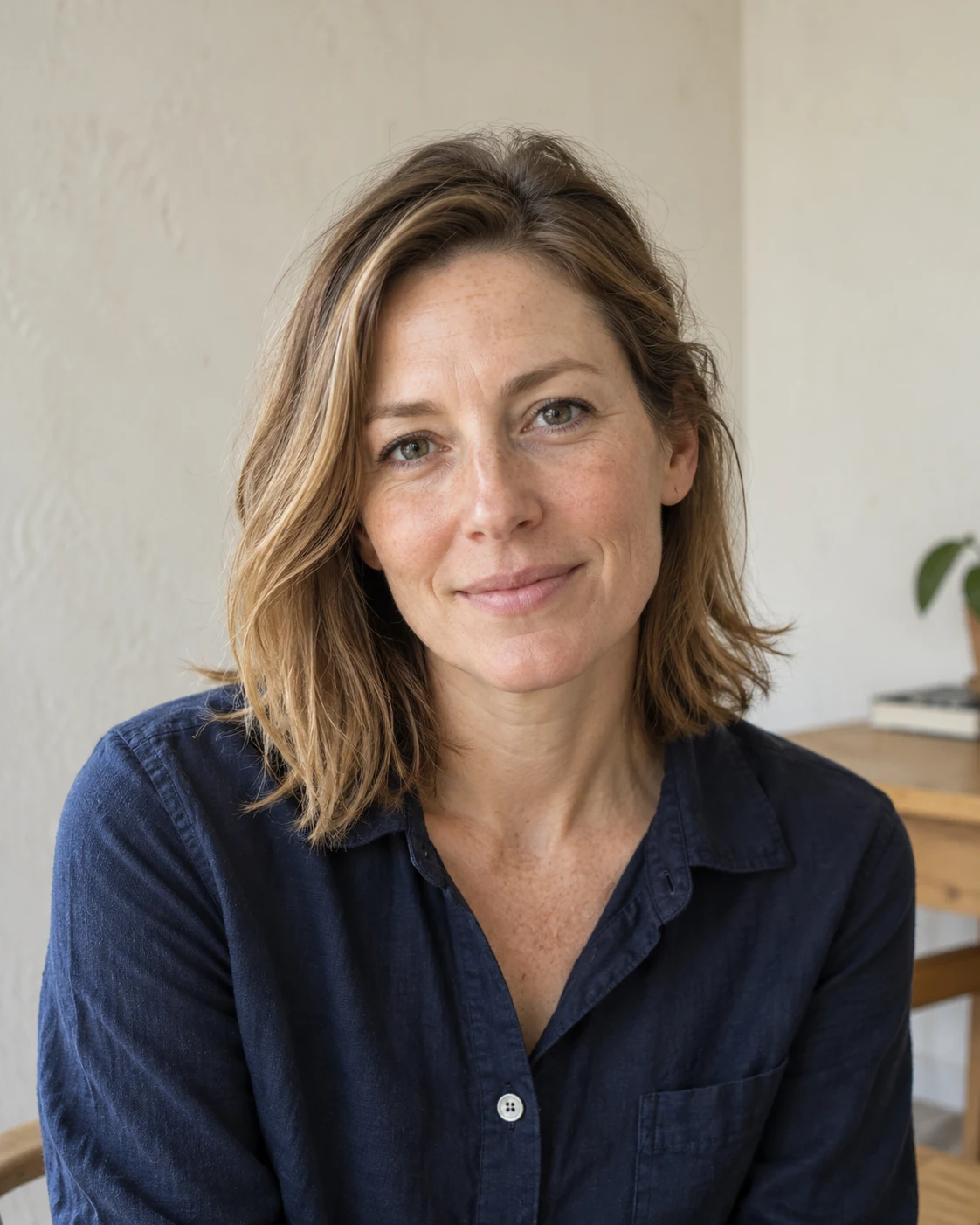
Curriculum & Learning Design Lead
Turns the curriculum vision into practical challenges and clear learning goals.
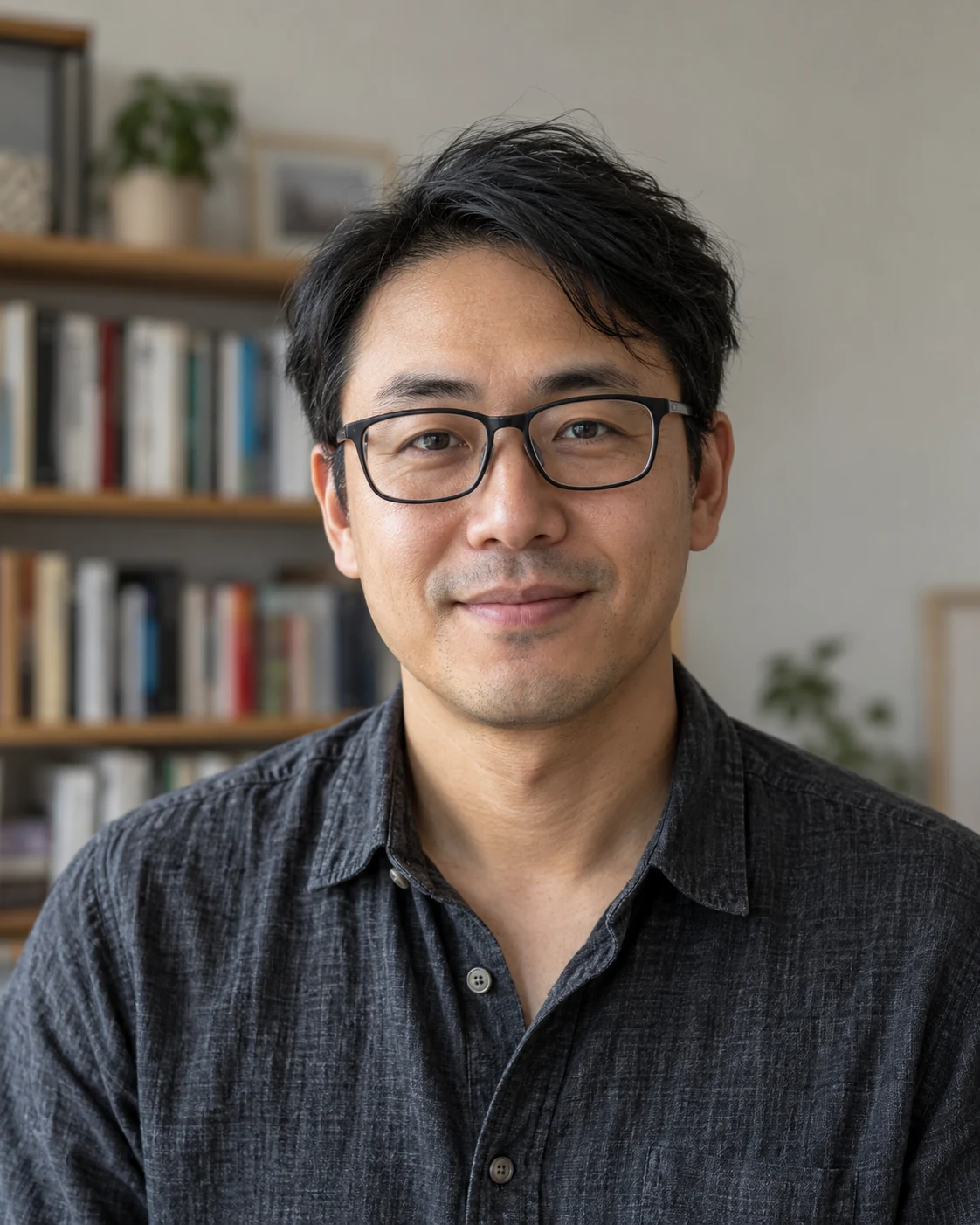
Head of Partnerships
Works with schools and communities to shape programmes around their learners and priorities.
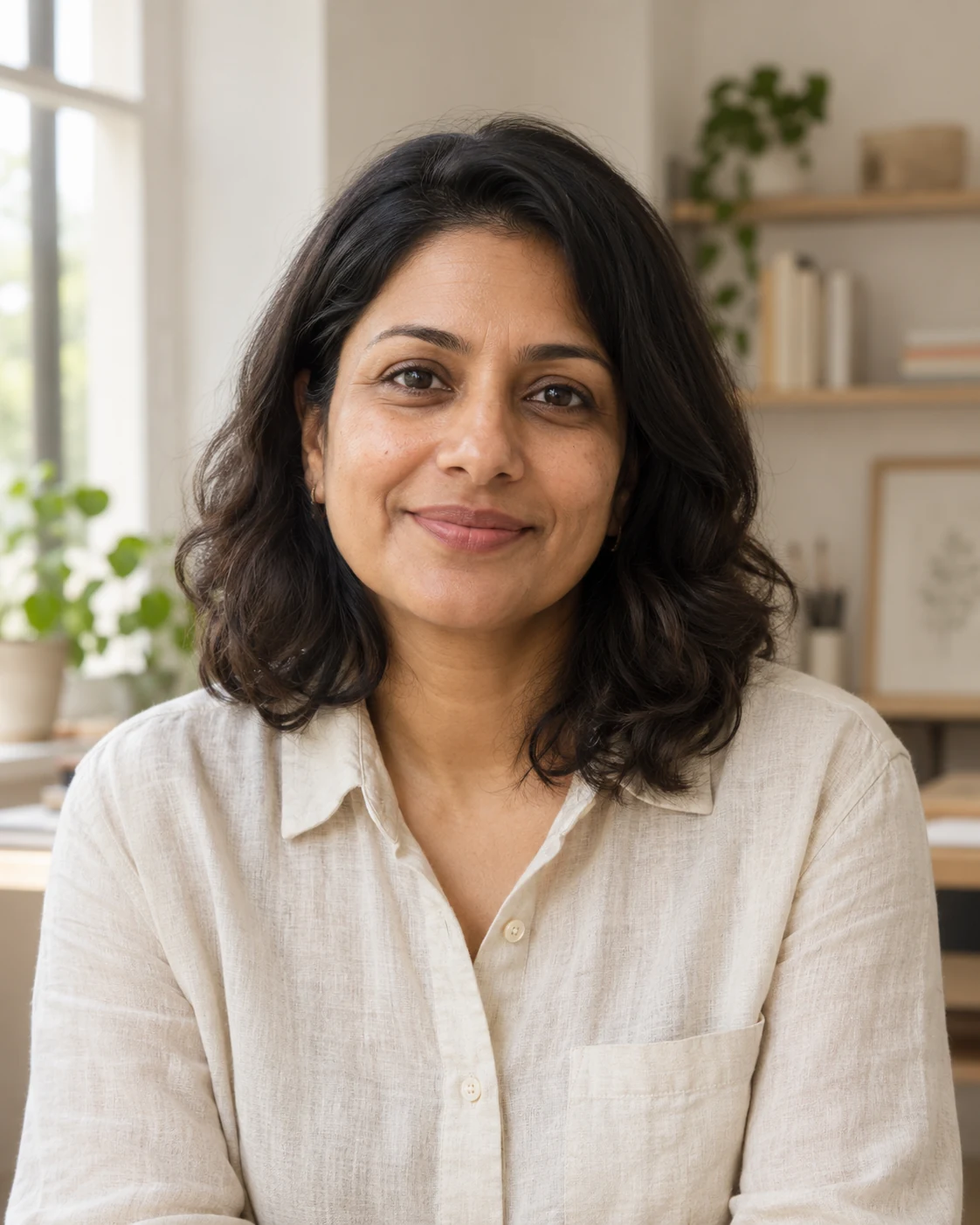
Programmes & Faculty Lead
Connects curriculum design with programme preparation and support for facilitators.

Growth & Community Lead
Helps families discover Figured and builds connections across the learning community.

Operations & Student Experience Lead
Coordinates the people, places and practical details that make learning work.
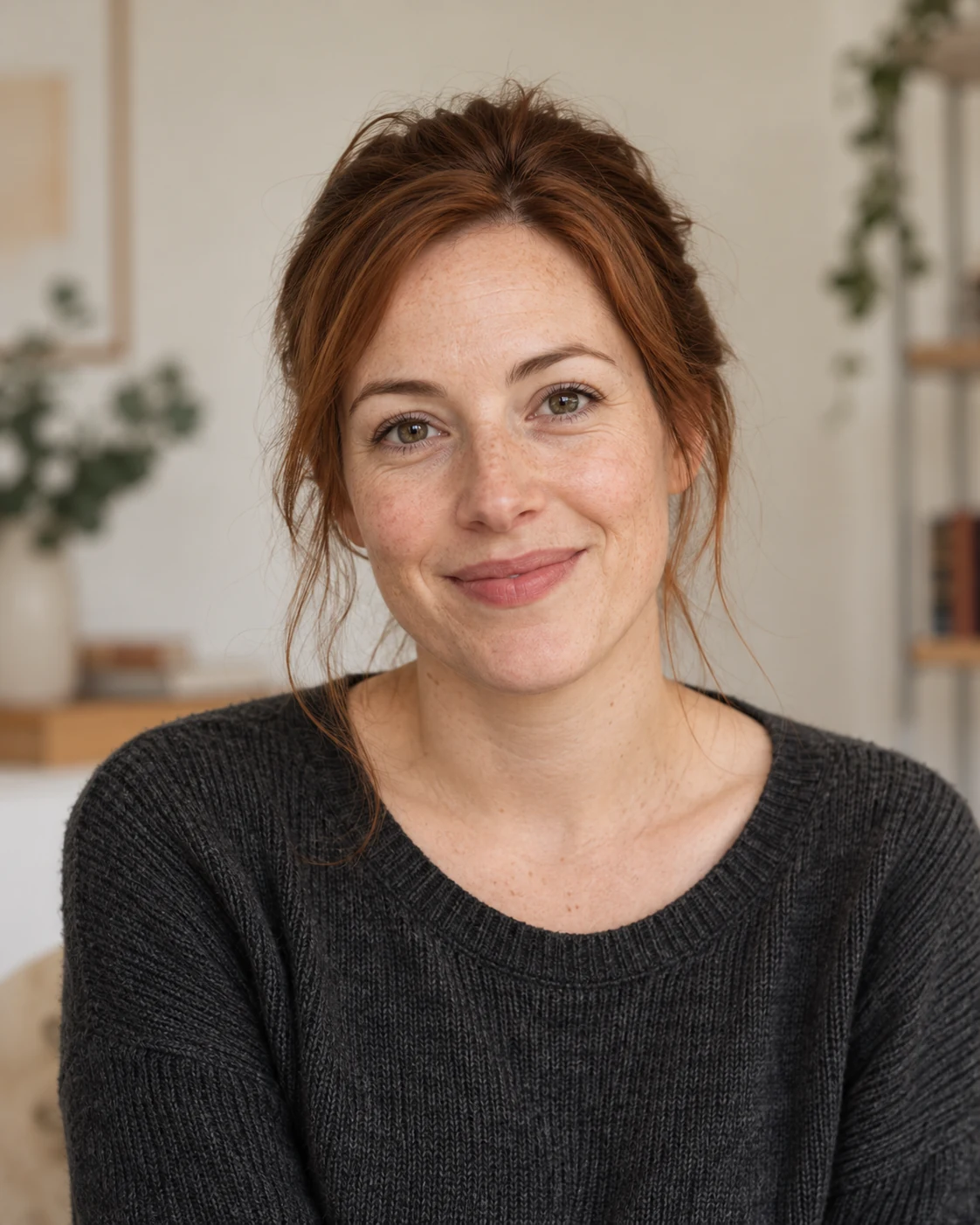
Lead Educator / Facilitator
Guides practical activities and helps learners use feedback, reflect and try again.
Good learning is a relationship. Parents and schools should know who will facilitate a programme, what the experience involves and how each learner will be supported.
Talk through a programme ↗The programme conversation confirms the facilitator and relevant experience, together with the intended age group and learning purpose.
Specific activities, useful feedback and another attempt connect an ambitious idea to something a learner can actually practise.
Thinking time, written ideas and supported participation give different learners a way into the challenge.
Scope, supervision, access needs, setting, fees and terms are agreed before a programme is confirmed.
Big ambitions need thoughtful foundations. Clear learning goals, age-appropriate activities and prepared facilitators connect the idea of Figured to the experience of each learner.
Our ambition is a connected learning community alongside academic education: returning groups, consistent educators and increasingly meaningful work.
Practise setting a direction, making choices and asking for support when it is useful.
Learn through different perspectives, shared responsibility, disagreement and repair.
Plan, test and improve useful work. Keep a record of the decisions and attempts along the way.
Ages 9–12 are the initial student focus. Later teen projects, practitioner experiences and work-related pathways describe the longer-term vision; they are not current placements or enrolment offers.